
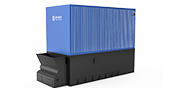
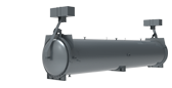

Many people believe that biomass boilers are simply "coal-fired boilers with a different fuel," but this is not entirely true. Although some biomass boilers share certain similarities with traditional coal-fired boilers in their overall structure, with continuous technological upgrades, Xinli's biomass boilers have undergone more scientific optimization in terms of combustion systems, furnace structures, water cooling systems, and thermal efficiency.
What are the structural similarities between biomass boilers and coal-fired boilers?
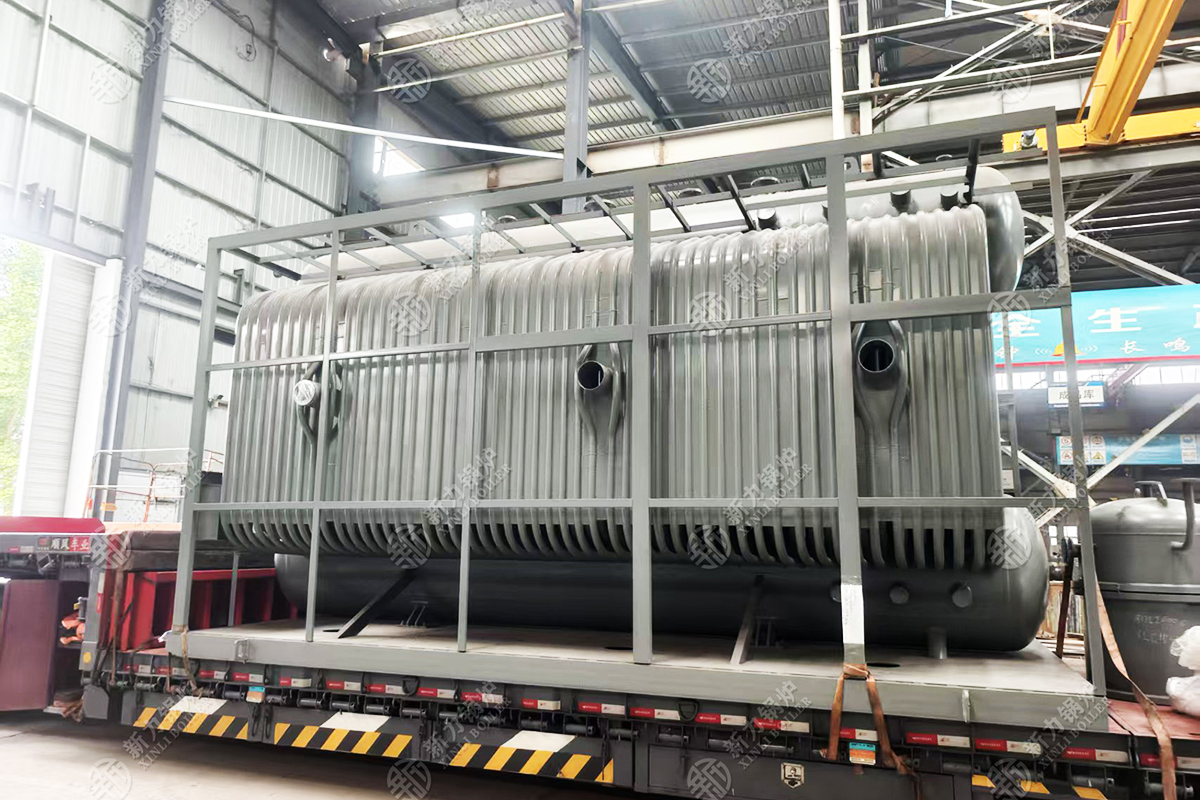
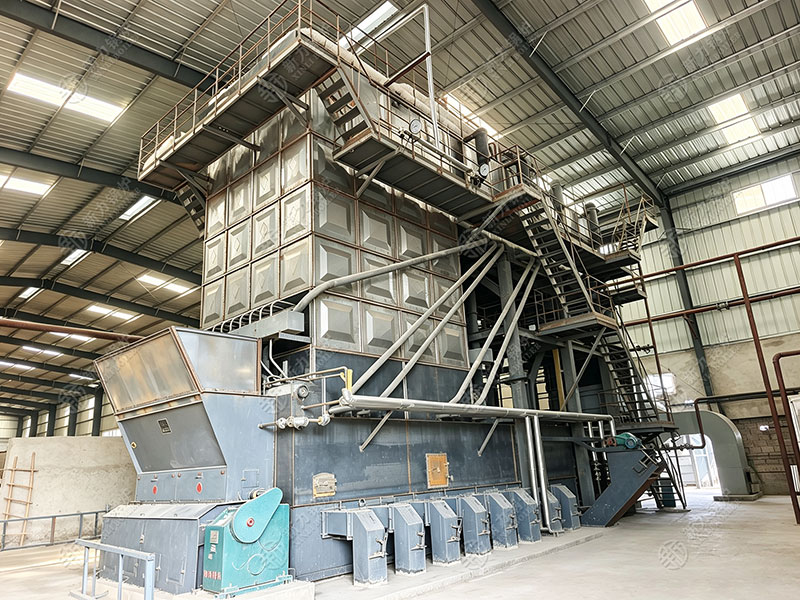
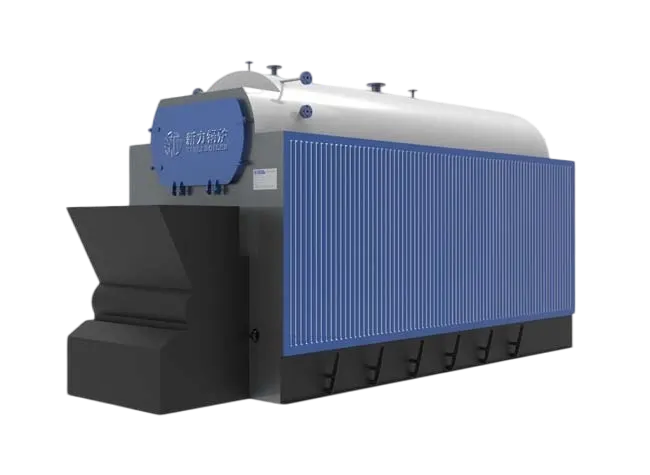
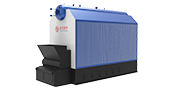
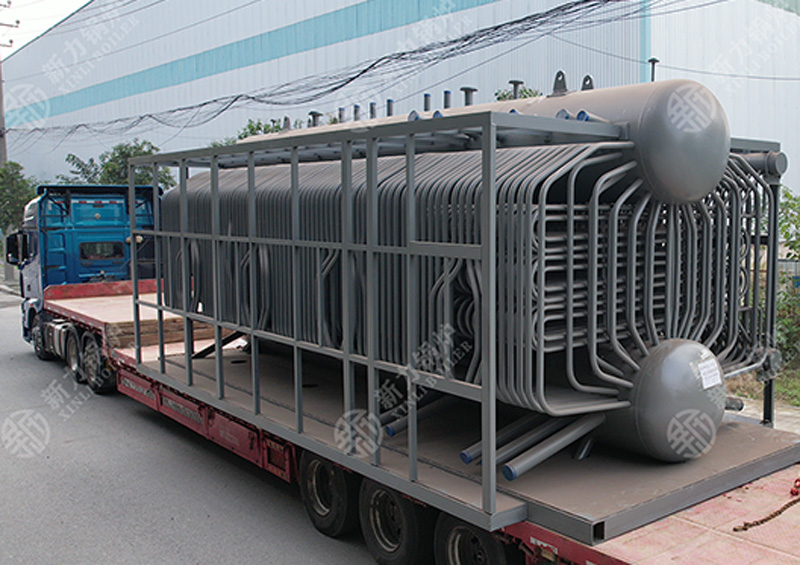
From a basic structural perspective, some biomass boilers do indeed continue the design concept of traditional chain grate boilers. Therefore, some models can burn biomass pellets, wood chips, and other fuels, as well as coal or mixed fuels. However, due to the high volatile matter content, fast combustion speed, and different ash characteristics of biomass fuels, the internal structure of the boiler must be specifically optimized; otherwise, problems such as incomplete combustion, ash accumulation, or decreased thermal efficiency may occur. Different models of biomass boilers also have significant differences in their internal designs. For example, the SZL type assembled water tube boiler often adopts a double-drum longitudinal structure with membrane water-cooled walls on both sides of the furnace. This not only improves the boiler's sealing performance but also increases the heating area, allowing for more complete heat absorption. The front and rear arches extend downwards to above the grate, further expanding the furnace space and making fuel combustion more stable.
What are the core components of a biomass boiler?
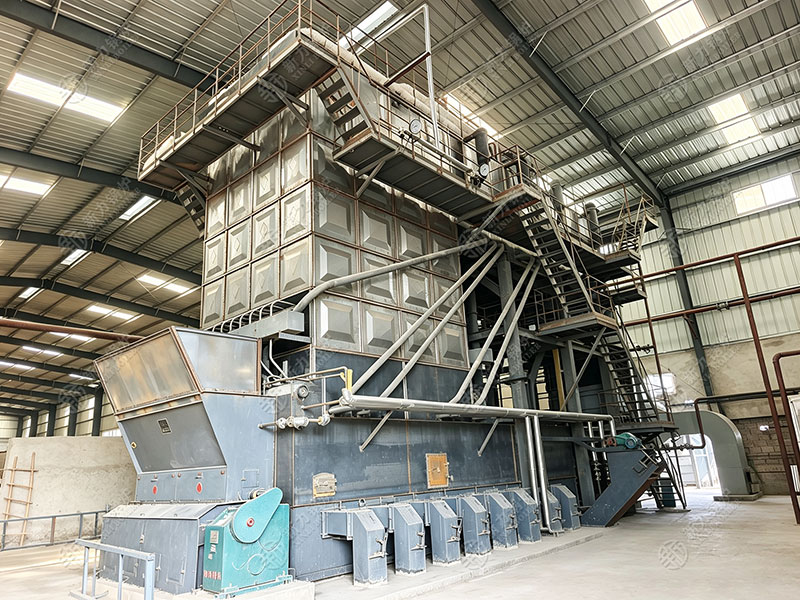
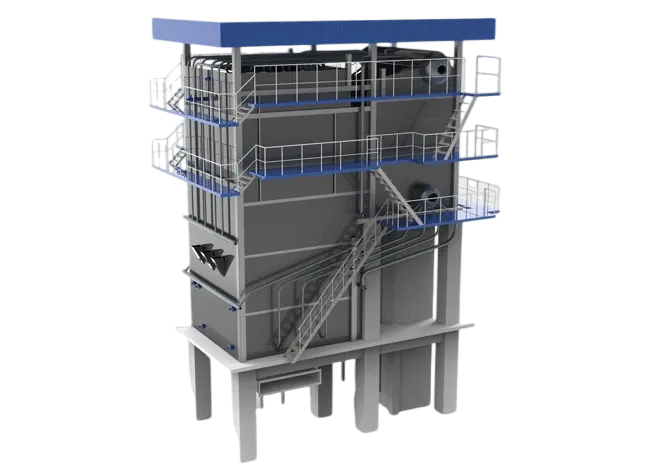
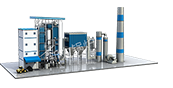
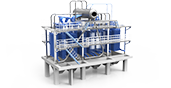
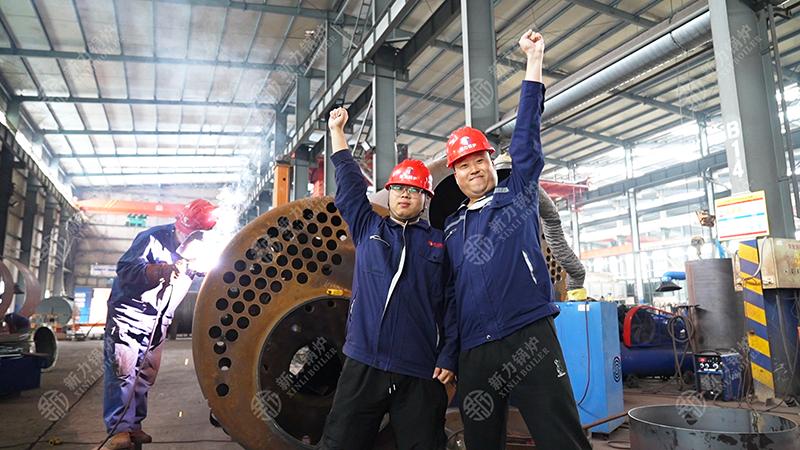
Generally speaking, a complete biomass boiler mainly consists of the boiler body, combustion system, water circulation system, and auxiliary equipment. The boiler body is the core area of the entire system, primarily including: the furnace, boiler drum, water-cooled walls, superheater, economizer, air preheater, frame, and furnace walls. These systems work together to complete the processes of fuel combustion, heat transfer, and steam generation.
The furnace: The core area of boiler combustion, also known as the combustion chamber, is the crucial space where fuel completes the combustion reaction. Depending on the combustion method, boiler furnaces are typically classified into: stoker combustion furnaces, chamber combustion furnaces, fluidized bed furnaces, and cyclone furnaces. Currently, most biomass boilers use a chain grate stoker combustion method, where fuel is evenly distributed on the grate, and continuous and stable combustion is achieved through the combination of primary and secondary air. To accommodate the rapid combustion of biomass fuel, modern biomass boilers usually incorporate water-cooled walls inside the furnace. These water-cooled walls not only absorb heat from the high-temperature flue gas but also protect the furnace walls and improve the boiler's operational stability. In addition, some of Xinli's boilers will adopt an optimized front and rear arch design, which allows the flame to stay longer and the fuel to burn more completely, thereby reducing energy waste.
What are the characteristics of a biomass boiler combustion system?
A combustion system typically consists of a grate, coal hopper, air chamber, blower, induced draft fan, and speed control device. Modern biomass boilers mostly use a chain grate structure, which features uniform feeding, good ventilation, and convenient maintenance. During boiler operation, primary air enters from below the grate and is responsible for basic fuel combustion; secondary air is supplied from above the furnace to further ensure complete combustion of volatiles. This staged air supply method not only improves combustion efficiency but also reduces the generation of black smoke and unburned particles. Some of Xinli's boilers also employ side sealing, leak-proof structures, and independent air chamber designs to further enhance combustion stability.
Why are more and more companies choosing biomass boilers?
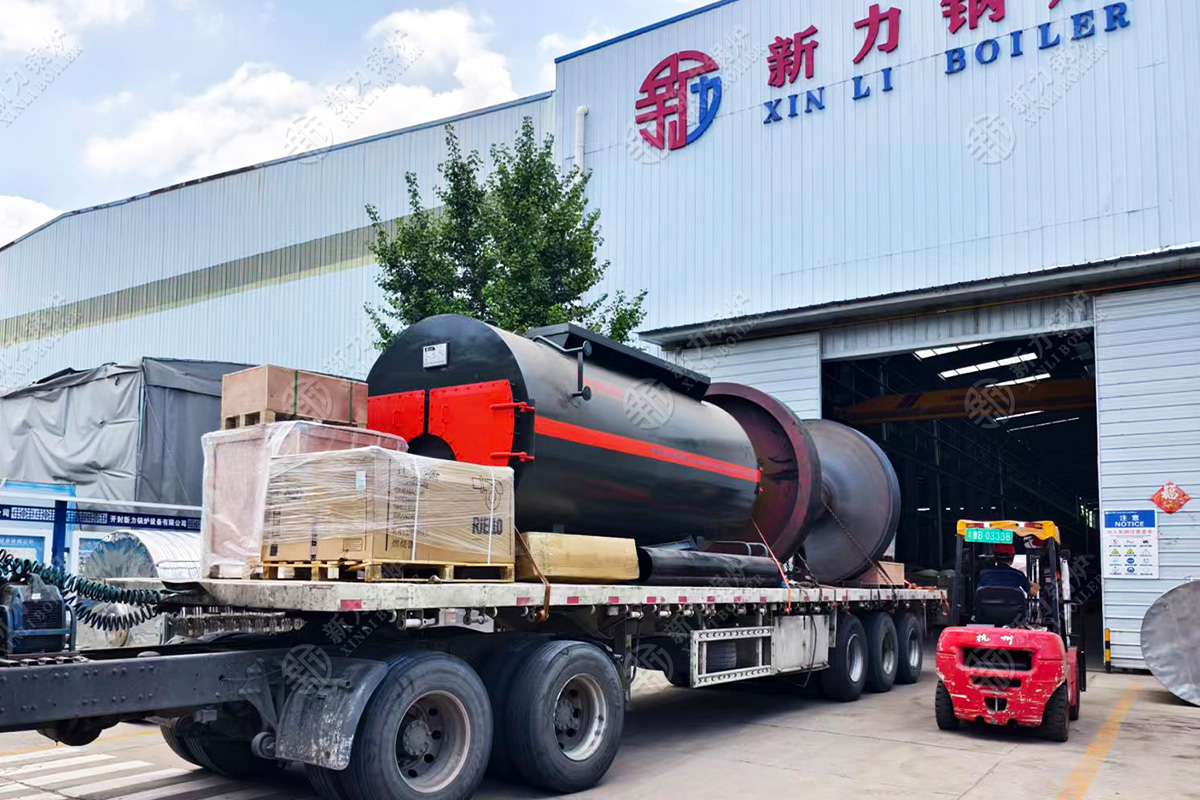
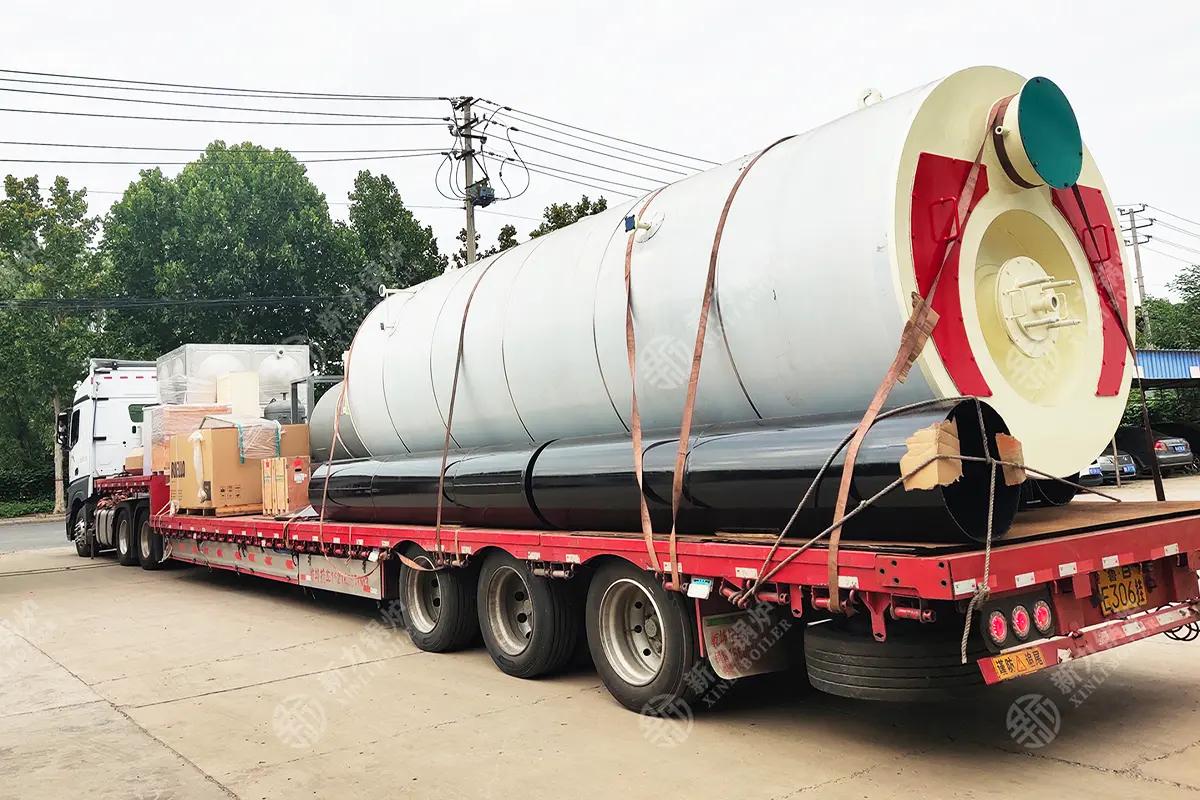
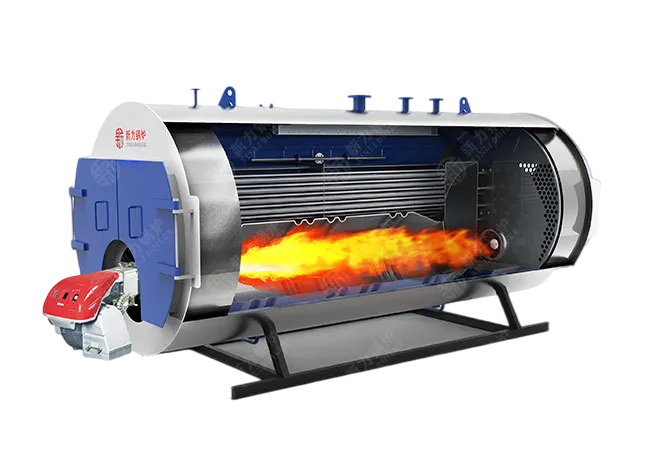
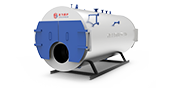
Compared to traditional coal-fired or oil-fired boilers, biomass boilers have significant advantages in terms of operating costs and environmental performance. Horizontal biomass pellet boilers, in particular, can further improve thermal efficiency through a three-pass flue gas structure, water-fire tube combination design, and energy-saving furnace arch optimization. At the same time, their fuel sources are more diverse, including biomass pellets, wood chips, rice husks, straw, and briquettes. Currently, biomass boilers are widely used in the textile, food processing, wood processing, chemical, building materials manufacturing, and industrial heating industries. For companies that prioritize energy conservation, emission reduction, and green development, biomass boilers are becoming an increasingly popular thermal energy solution. With increasingly stringent environmental requirements, traditional high-energy-consuming boiler equipment is gradually upgrading towards more energy-efficient, stable, and environmentally friendly options. Biomass boilers, with their mature structural design, high fuel adaptability, and stable heat output, are gaining increasing recognition from companies. A biomass boiler like Xinli, with its reasonable structure, complete combustion, and stable operation, can not only improve production efficiency but also help companies further optimize energy costs, providing more stable thermal energy support for green development.
LinkedIn: https://www.linkedin.com/feed/update/urn:li:activity:7465697840833662977