

With the continued implementation of China's dual-carbon strategy and the ongoing promotion of clean energy substitution policies, biomass heating, with its low-carbon, renewable, and recyclable characteristics, has become an important alternative to traditional fossil fuel heating. Compared to conventional energy sources such as coal and natural gas, biomass fuel relies on the resource utilization of agricultural and forestry waste, ensuring a stable supply of raw materials and lower carbon emission intensity. It can be widely adapted to diverse scenarios such as centralized heating in urban and rural areas and heating for industrial production processes, resulting in a stable overall industry development trend. As environmental control standards continue to upgrade, the comprehensive energy requirements for heating equipment across various industries are gradually increasing. Previously extensive heating equipment is no longer suitable for the current production needs of reducing energy consumption, emissions, and stable continuous operation. Market demand for standardized, compliant, and intelligent biomass heating equipment continues to rise, and the industry as a whole is iterating and upgrading towards refinement and standardization.
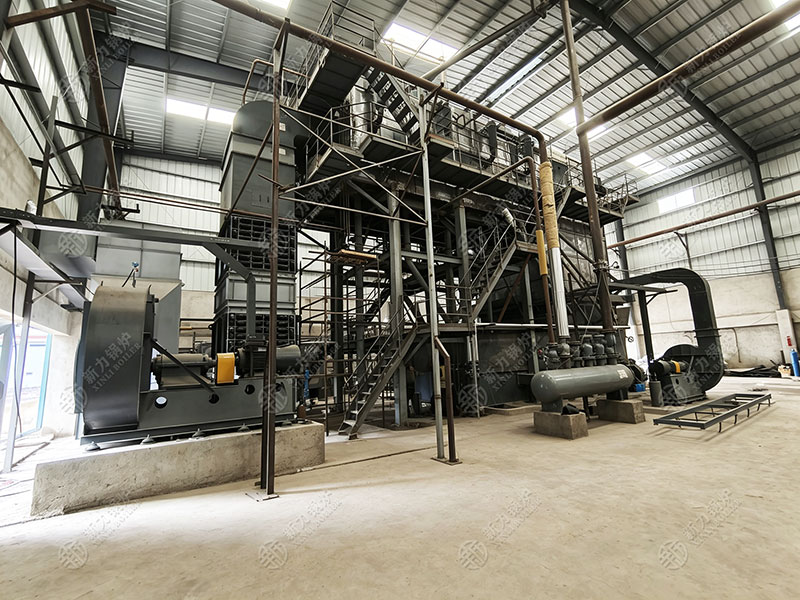
I. General Selection Standards for Biomass Heating Equipment Biomass boilers are classified as special equipment. Equipment compliance, manufacturing processes, and technological reserves are the core foundation for selection, and the industry has established mature screening dimensions.
First, production qualification compliance is crucial. Special equipment manufacturing qualifications are a prerequisite for the legal production and compliant use of equipment, and also a fundamental guarantee for subsequent annual inspections, registration, and commissioning, effectively mitigating compliance risks during later use.
Second, manufacturing processes and technological accumulation are essential. Manufacturers with long-term industry experience, standardized production systems, and independent technological iteration capabilities are more mature in equipment structural design, combustion processes, heat exchange efficiency, and safety protection systems. Their equipment operates stably and is better suited to market conditions.
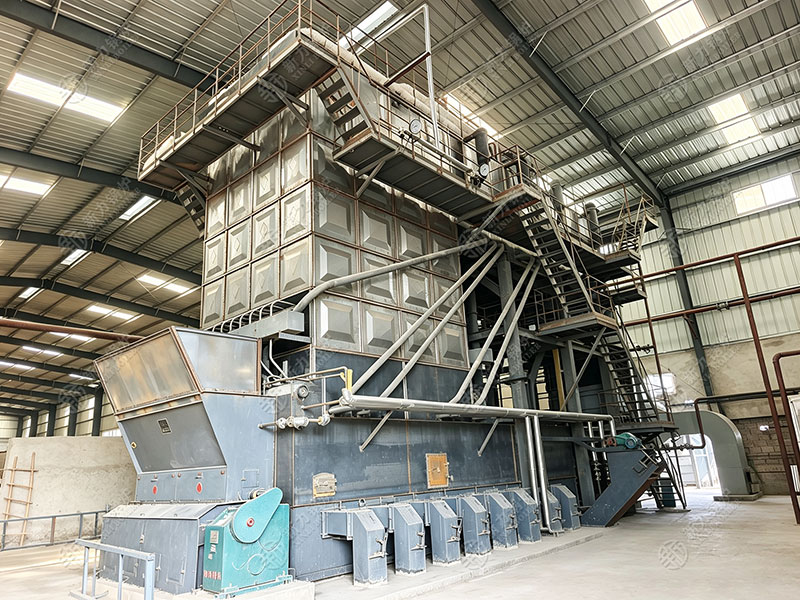
II. Equipment Adaptation Logic for Different Application Scenarios Heating needs vary significantly across different application scenarios. Equipment selection must comprehensively consider the working environment, site conditions, and environmental requirements to avoid resource waste or operational hazards caused by insufficient equipment adaptability. Residential and commercial centralized heating scenarios, covering communities, schools, hotels, industrial parks, etc., focus on stable heating and domestic hot water supply. In scenarios with limited space and high personnel density, equipment must be compact, space-saving, operate with low noise, and be easy to install and debug, adaptable to lightweight, routine, and low-maintenance operating modes.
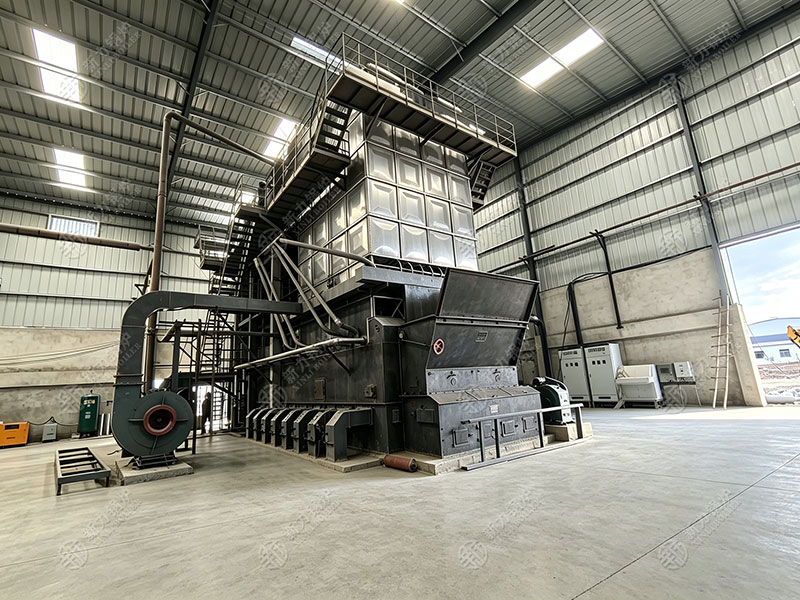
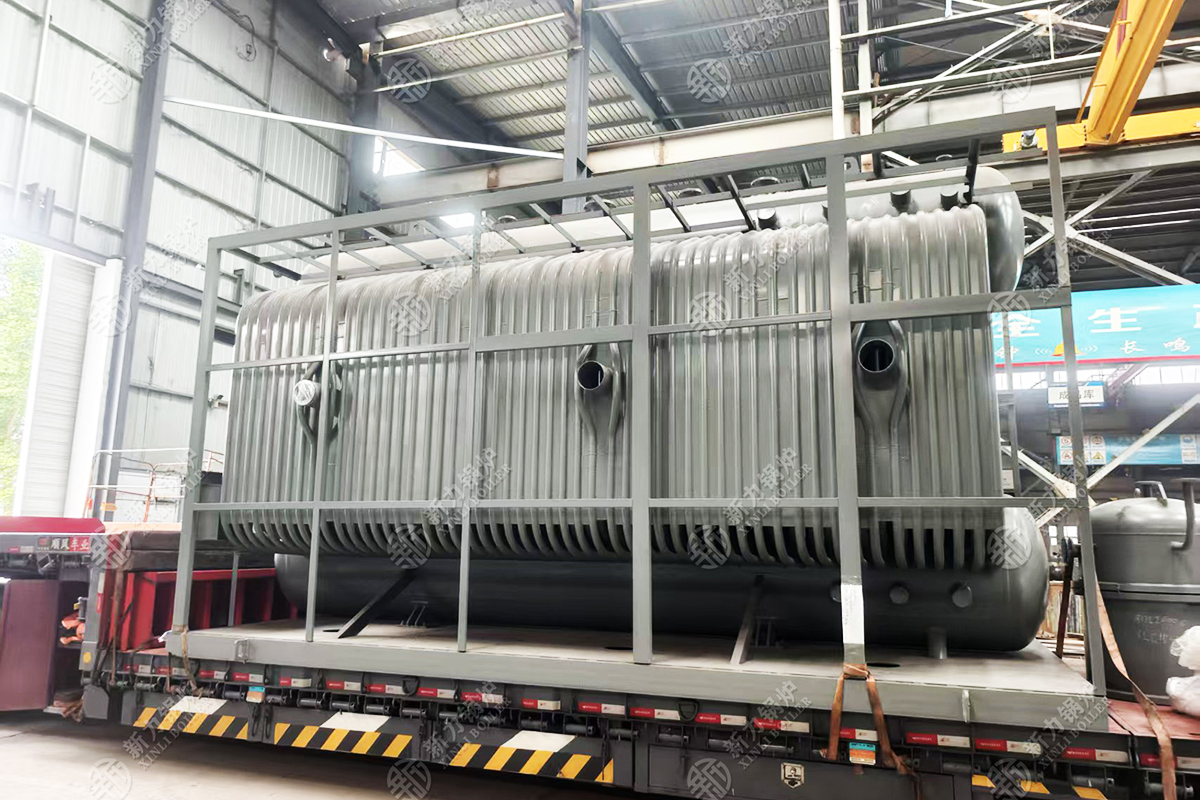
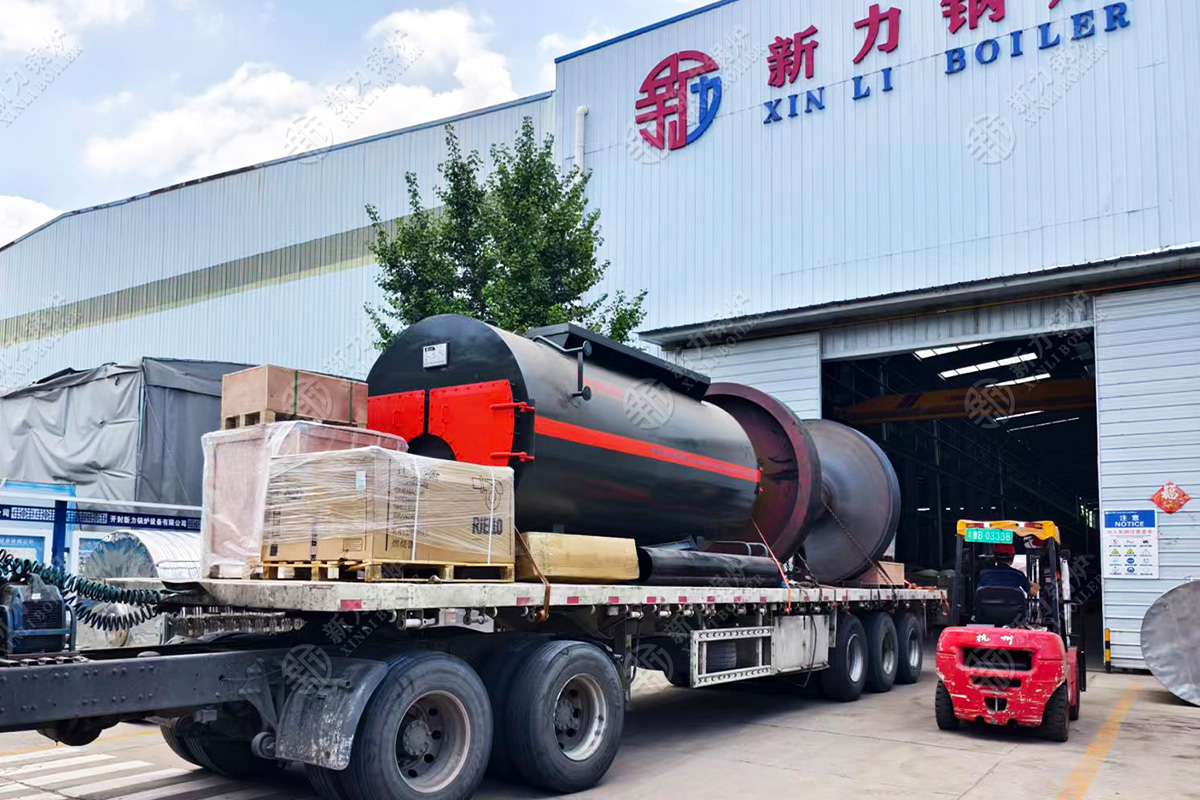
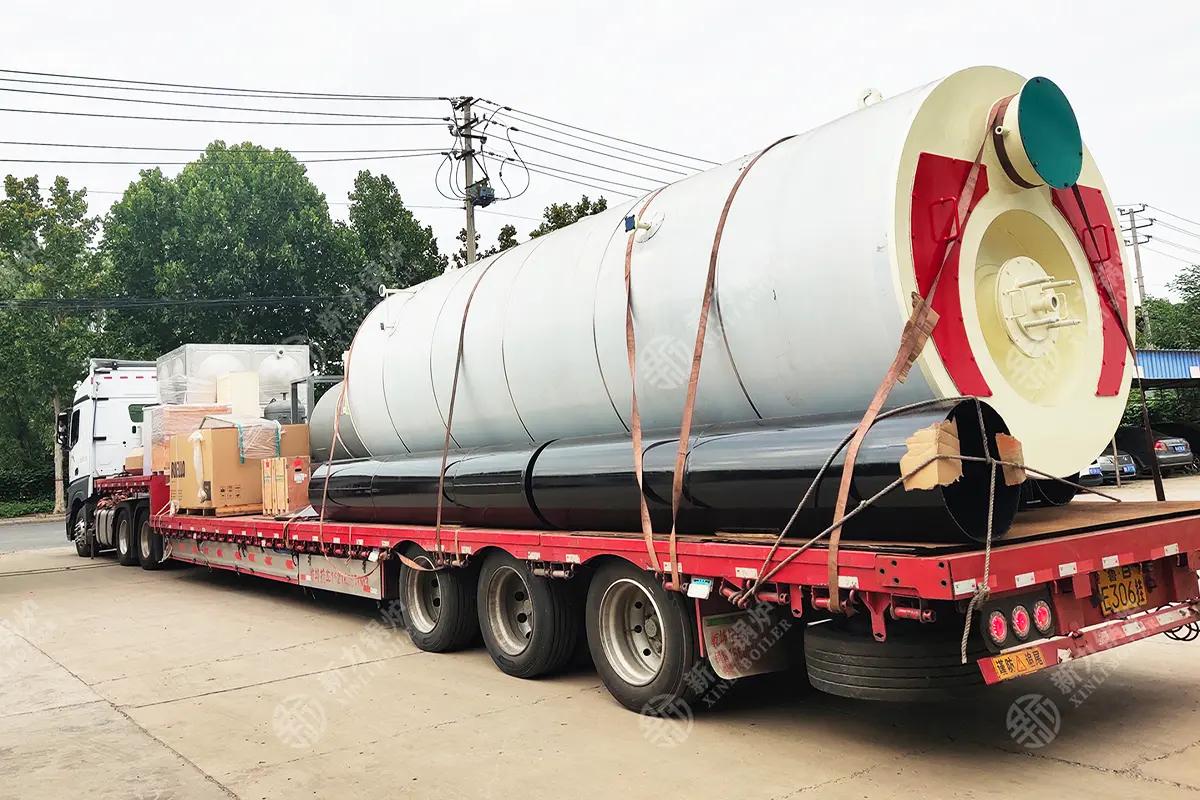
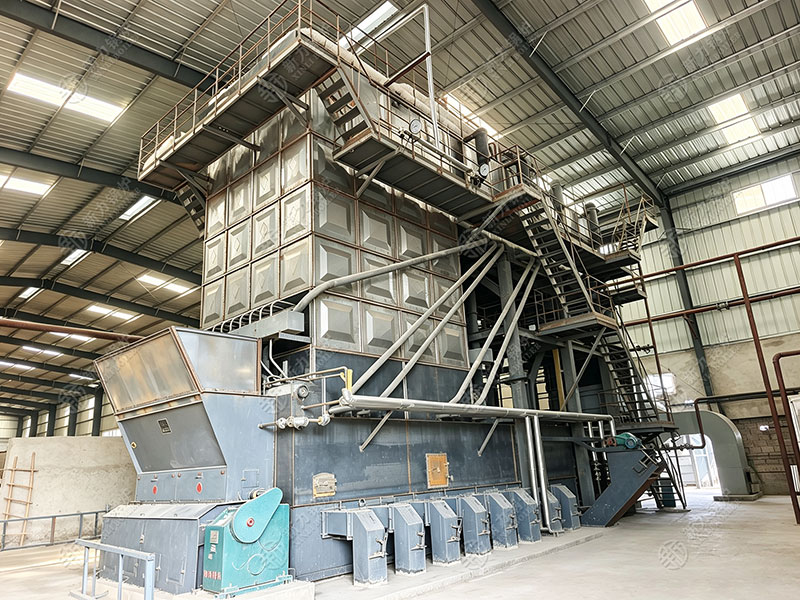
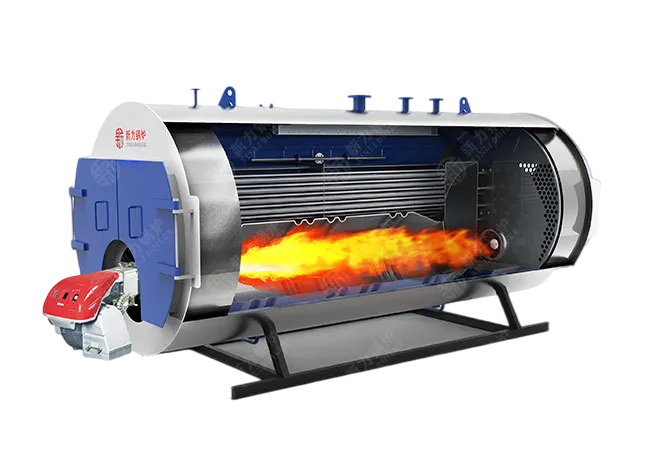
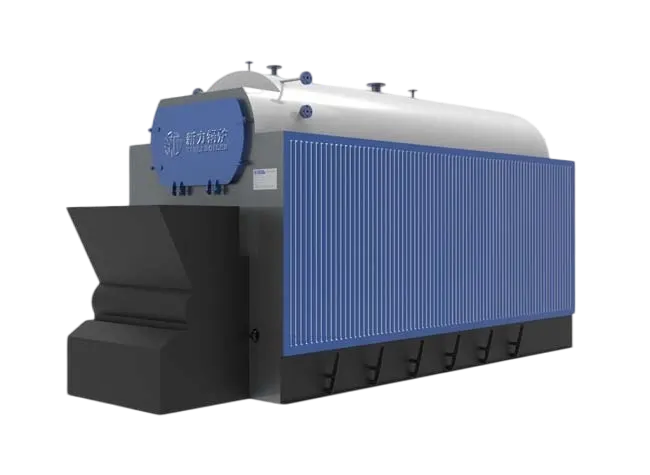
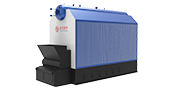
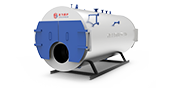
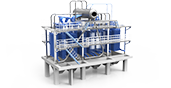
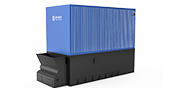
Industrial production heating scenarios, primarily in industries such as papermaking, food processing, and building materials manufacturing, have stringent requirements for heating temperature, steam parameters, and continuous operational stability, while also needing to strictly comply with local environmental emission control standards. Biomass hot water and steam boilers suitable for these scenarios often adopt an electromechanical integrated design, with a regular structure, convenient transportation and installation, adaptable to multiple fuel types and operating conditions, and suitable for the diversified energy configuration needs of enterprises, effectively matching the heating needs of continuous industrial production.
LinkedIn: https://www.linkedin.com/feed/update/urn:li:activity:7496092710240493568